
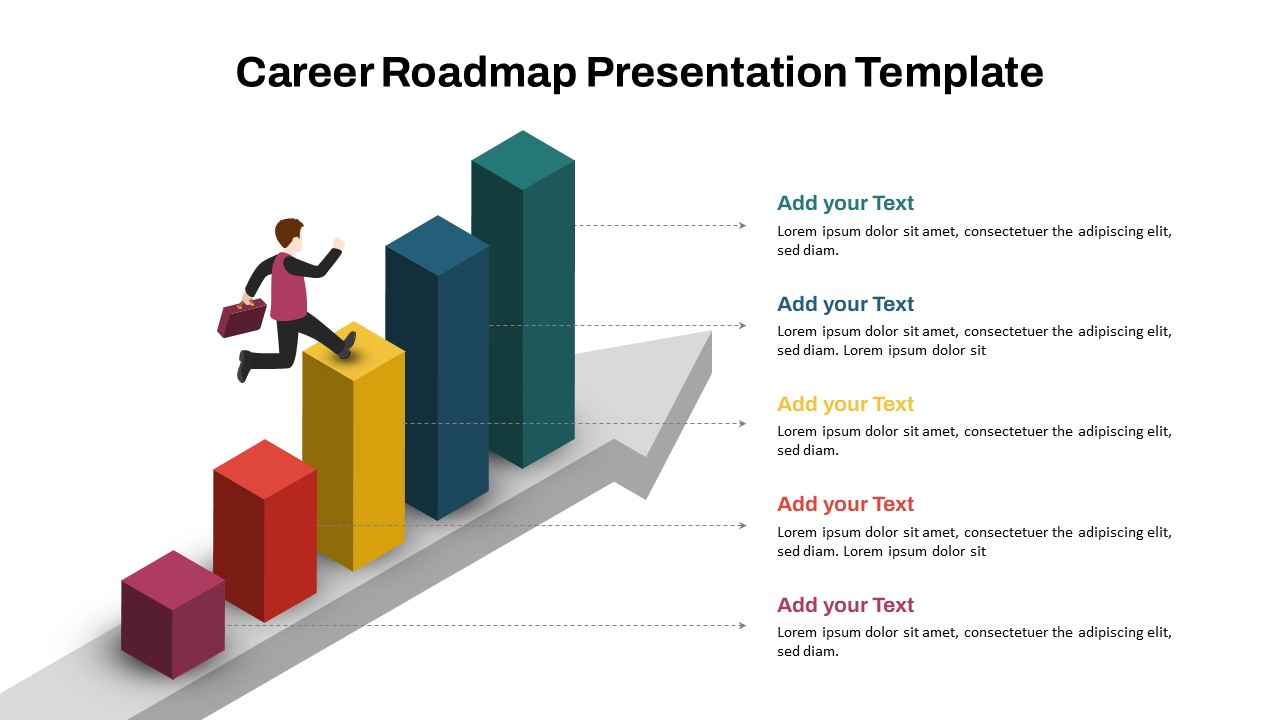
A fulfilling career is more than a job—it is a long-term journey shaped by intentional choices, continuous learning, and strategic planning. Whether you’re entering the workforce, switching fields, or aiming for leadership roles, understanding how to build a career with purpose can help you thrive both professionally and personally.
What Is a Career?
A career refers to the collection of roles, experiences, and achievements you accumulate over time in pursuit of long-term professional goals. Unlike a job, which provides short-term income, a career focuses on growth, specialization, and advancement.
Why Career Planning Matters
1. Offers Direction and Clarity
A clear plan helps you avoid random choices and instead align your efforts with your strengths, values, and long-term ambitions.
2. Boosts Professional Growth
Planning encourages skill development, networking, and opportunities that move you closer to your goals.
3. Increases Job Satisfaction
When your work aligns with your interests and aspirations, you experience a greater sense of fulfillment.
Key Steps to Building a Successful Career
Understanding Yourself
Self-awareness forms the foundation of a strong career strategy. Consider your:
-
Strengths
-
Passions
-
Work style
-
Preferred industries
-
Long-term aspirations
Tools like personality assessments and feedback from mentors can help clarify these elements.
Setting Clear Goals
Well-defined goals act as a roadmap for progress. Use short-term and long-term planning to stay focused:
-
Short-term goals: Skills to learn, certifications, immediate job targets
-
Long-term goals: Leadership roles, transitioning careers, entrepreneurship
Developing the Right Skills
Skill-building keeps you competitive and adaptable. Focus on:
-
Technical skills: Specific to your industry or job role
-
Soft skills: Communication, teamwork, leadership, problem-solving
-
Digital skills: Data literacy, AI awareness, modern software tools
Continuous learning—through courses, workshops, and real-world experience—is essential.
Building a Professional Network
Connections can open doors to hidden opportunities. Effective strategies include:
-
Engaging on professional platforms
-
Attending events or webinars
-
Seeking mentors
-
Joining industry associations
Networking doesn’t only help in finding jobs—it builds long-term professional support.
Gaining Practical Experience
Hands-on experience cements learning and builds confidence. This may include:
-
Internships
-
Freelance projects
-
Volunteering
-
Part-time roles
-
Job shadowing
Practical exposure also helps you discover what you truly enjoy.
Creating a Strong Personal Brand
Your professional identity should communicate who you are and what you bring. Focus on:
-
A polished resume
-
A compelling online profile
-
A consistent portfolio (if applicable)
-
Authentic communication
A strong personal brand helps you stand out in competitive fields.
Adapting to Change
Careers evolve with technology and industry trends. Staying flexible allows you to:
-
Shift directions confidently
-
Embrace new tools
-
Accept new responsibilities
-
Explore emerging career paths
Adaptability is one of the most valued traits in modern workplaces.
Seeking Professional Growth
Career development doesn’t end when you land a job. Look for opportunities such as:
-
Leadership training
-
Advanced certifications
-
Cross-functional projects
-
Performance feedback
Consistent improvements show initiative and readiness for advancement.
Maintaining Work-Life Balance
A sustainable career supports your overall well-being. Balance helps you stay productive, motivated, and mentally healthy. Consider:
-
Setting boundaries
-
Practicing time management
-
Prioritizing health and rest
-
Scheduling regular breaks
A balanced lifestyle fuels long-term success.
Conclusion
A rewarding career is built through deliberate steps—self-discovery, skill-building, networking, and adaptability. When you align your career choices with your goals and values, you create a pathway that leads to growth, stability, and fulfillment.
FAQs
1. How do I choose the right career path?
Focus on your strengths, interests, and values, and explore industries that align with them.
2. How often should I update my career goals?
Revisit your goals at least once a year or whenever you experience major changes.
3. What skills are most valuable in today’s job market?
Critical thinking, communication, leadership, and digital literacy are consistently in demand.
4. Is switching careers risky?
It can be challenging, but with planning, skill-building, and guidance, it is entirely achievable.
5. How important is networking in career success?
Networking is vital because it connects you to opportunities, mentors, and industry knowledge.
6. Can online courses really improve my career?
Yes, they provide accessible ways to build skills that employers value.
7. How do I stay motivated in my career journey?
Set achievable goals, celebrate milestones, and seek support from mentors or peers.


