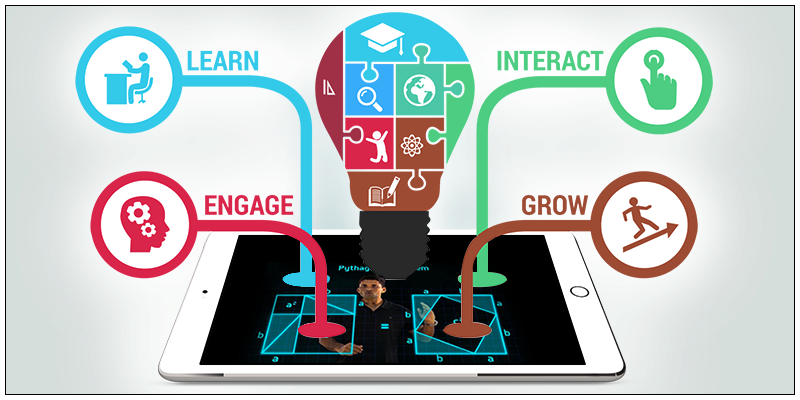

Introduction
Learning is a continuous journey that begins the moment we are born. It shapes the way we think, adapt, and make choices. Every new skill or idea gained opens doors to new opportunities, helping individuals grow emotionally, intellectually, and professionally.
What Is Learning?
Learning is the process of gaining knowledge, abilities, and understanding through study, practice, reflection, or direct experience. It involves changes in thinking and behavior, often leading to improved decision-making and better problem-solving. Learning can happen intentionally, such as reading a book, or naturally, such as observing how others behave.
Why Learning Matters
Learning plays a critical role in both personal and societal development. It strengthens confidence, sharpens the mind, and builds the foundation for success. Its importance can be seen in several key areas:
1. Personal Growth
-
Enhances self-awareness
-
Builds emotional intelligence
-
Encourages open-minded thinking
-
Strengthens adaptability and resilience
2. Professional Advancement
-
Expands skillsets needed for career growth
-
Improves performance and productivity
-
Makes individuals more competitive in the job market
-
Supports leadership and innovation
3. Problem-Solving & Critical Thinking
Learning helps people analyze situations, evaluate solutions, and make well-informed decisions. It promotes logical reasoning and helps individuals break down complex challenges into manageable parts.
4. Social & Cultural Understanding
Through learning, people discover different cultures, perspectives, and histories. This encourages tolerance, cooperation, and meaningful communication.
Types of Learning
There are various forms of learning, each contributing in different ways to how we grow and understand the world.
1. Formal Learning
This is structured learning that takes place in schools, colleges, training institutes, and universities. It follows a curriculum and is guided by teachers or instructors.
2. Informal Learning
Informal learning occurs naturally through daily activities such as conversations, reading, hobbies, or observing others. It is flexible, self-directed, and often unplanned.
3. Experiential Learning
This form of learning happens through practical experiences and hands-on activities. Examples include internships, real-life problem solving, and interactive projects.
4. Social Learning
People often learn by observing peers, mentors, or role models. This type of learning includes imitation, collaboration, and shared experiences.
How to Learn More Effectively
Improving how we learn can significantly boost both productivity and understanding. The following strategies can help:
1. Set Clear Goals
Having specific objectives makes learning focused and organized. Clear goals make it easier to track progress and stay motivated.
2. Use Active Learning Techniques
Instead of passively reading or listening, engage with the material through:
-
Note-taking
-
Summarizing
-
Asking questions
-
Teaching others what you learned
3. Break Information Into Smaller Parts
Dividing complex topics into smaller, manageable sections helps with understanding and retention.
4. Practice Consistently
Repetition strengthens memory. Regular practice ensures that new knowledge becomes firmly rooted.
5. Apply What You Learn
Using knowledge in real-world situations helps reinforce learning, making it more meaningful and memorable.
6. Stay Curious
Curiosity fuels motivation. Ask questions, explore new topics, and allow yourself to wonder.
7. Embrace Mistakes
Mistakes are powerful learning tools. They reveal gaps in understanding and push you toward improvement.
The Role of Technology in Learning
Technology has transformed how people access information and develop skills. Digital tools such as online courses, e-books, educational apps, and virtual classrooms make learning more flexible and accessible. These innovations allow learners to study at their own pace and explore topics far beyond traditional classroom boundaries.
The Lifelong Journey of Learning
Learning does not end with school or formal education. It continues throughout life, shaping careers, relationships, and personal fulfillment. Lifelong learning strengthens the mind, improves adaptability, and encourages individuals to keep evolving in a rapidly changing world.
FAQs
1. What makes learning effective?
Learning becomes effective when it is active, goal-driven, and reinforced through practice and real-life application.
2. How does learning improve brain function?
Learning stimulates neural connections, enhances memory, and boosts cognitive abilities such as reasoning and focus.
3. Can adults learn as effectively as children?
Yes. Adults can learn deeply and effectively, especially when motivated or interested in a topic.
4. What are common barriers to learning?
Lack of time, low motivation, distractions, and unclear goals are common obstacles that affect learning progress.
5. Why is lifelong learning important?
It helps individuals stay relevant, adaptable, and informed in a world that is constantly changing.
6. What role does environment play in learning?
A supportive, quiet, and organized environment reduces distractions and boosts concentration.
7. How can technology improve learning?
Technology offers flexible access to information, interactive tools, and personalized learning experiences.